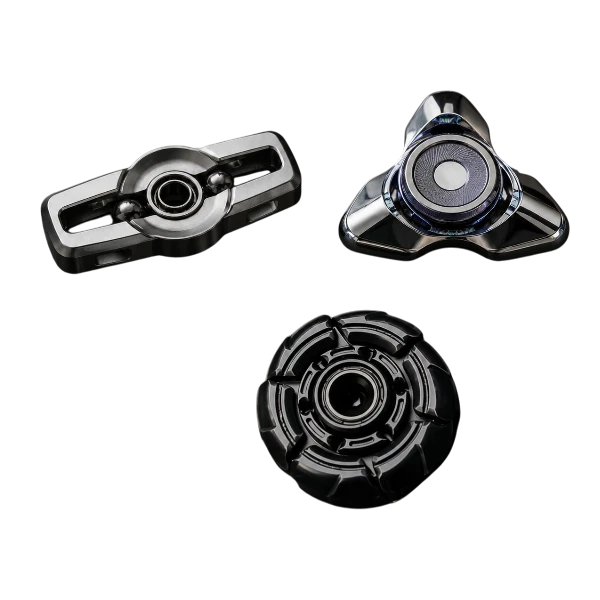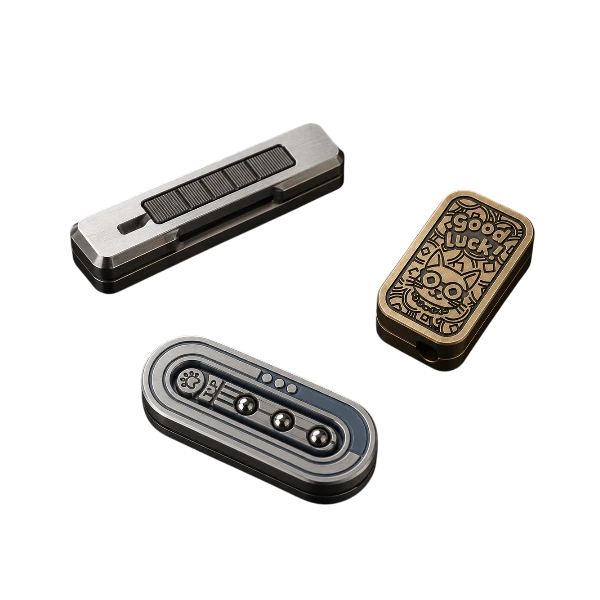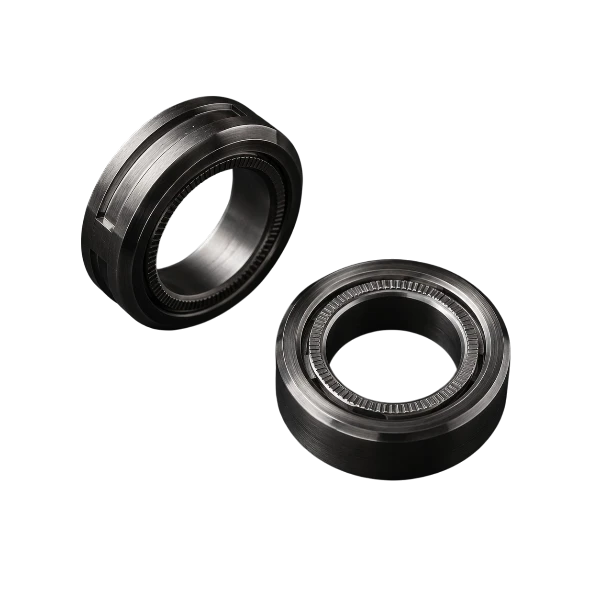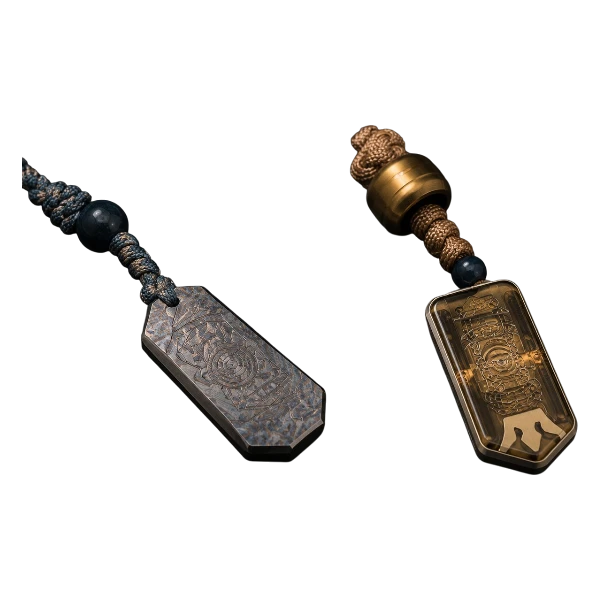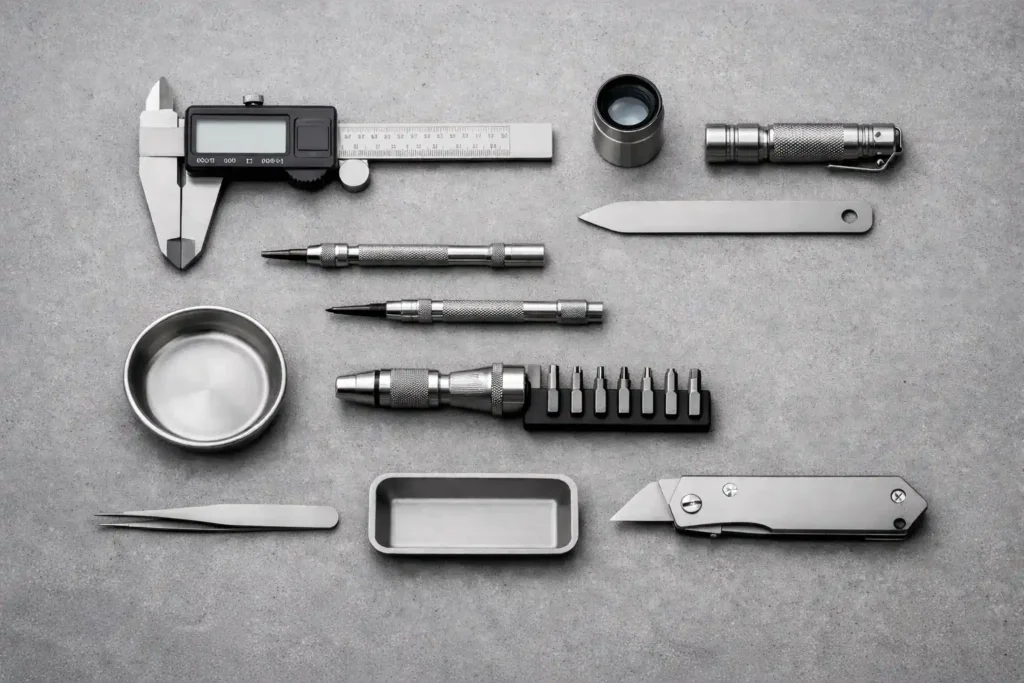
Precision tactile rings, sliders, and desk tools.

Engineered for controlled hand movement and mechanical experience.

Why StressCrate Tools Are Different

Controlled Motion

Not random motion.
Deliberate control.

Tunable Experience

Adjust sound, resistance,
and texture.

Built to Last

Designed for years,
not moments.

Modular by Design

Start simple.
Expand over time.

From outcome to mechanism.

Anatomy of Control

Control is not a feeling — it is built into structure, resistance, and repeatable motion.

Structure

How form, geometry, and constraints define behavior.

Resistance

How physical feedback creates predictability.

Repeatable Motion

How control stays consistent over time.

Tactile Control Tools

Rhythm Control

Repetitive motion for pacing and regulation.

Supports consistent hand activity.

Static Presence

Non-dynamic objects with physical weight.

Provides tactile grounding without motion.

Create

Thinking through making.

Carry

Portable presence, without attention.

MECHANISM PROFILE — ROTATIONAL CONTROL
From selection to mechanism.
Motion Type
Continuous rotation (circular)
Constraint
Engineered resistance with stable axis
Control Source
Bearing / friction stack / tolerance
Feedback
Smooth drag, controlled momentum, repeatable feel
Maintenance
Low (keep clean; occasional lubrication depending on build)
Design Boundary
No playful “spin trick” framing; control-first presentation
Motion Type
Guided linear travel (push / pull)
Constraint
Defined path with endpoints (stops / detents)
Control Source
Rail geometry / magnets / spring force
Feedback
Endpoint certainty, discrete steps, tactile confirmation
Maintenance
Low–Medium (track cleaning; magnet surface care)
Design Boundary
Must feel constrained and predictable; no “loose glide toy” behavior
Motion Type
Sustained pressure / mass interaction
Constraint
Resistance comes from material load + weight
Control Source
Mass distribution / compressive structure / damping material
Feedback
Grounding force, steady counter-pressure, slow stability
Maintenance
Low (material care; keep shape / surface stable)
Design Boundary
Avoid “wellness / soothing” language; describe load, mass, support
Motion Type
Deliberate build steps (assembly workflow)
Constraint
Sequence + tolerance: parts must fit, align, lock
Control Source
Fasteners / joints / modules / structural logic
Feedback
Progress confirmation, alignment clicks, structural completion
Maintenance
Medium (periodic tightening; part wear monitoring)
Design Boundary
Must be “build & keep”; not disposable DIY novelty
Motion Type
No motion (still object)
Constraint
Stability is defined by mass + geometry + placement
Control Source
Weight, base contact, balance, surface friction
Feedback
Presence, anchoring, consistent physical certainty
Maintenance
Very Low (surface care; keep edges / finish intact)
Design Boundary
Must read as engineered presence, not decorative “cute desk toy”
Motion Type
Purposeful tool action (deploy / adjust / mark / cut)
Constraint
Function-first ergonomics + repeatable operation
Control Source
Mechanism lock / hinge / thread / calibrated parts
Feedback
Positive lock, indexed steps, reliable return-to-state
Maintenance
Medium (edge/ink/hinge care depending on tool type)
Design Boundary
No “EDC for fun”; always framed as control-through-use

Physical interaction modes

Rotate · Slide · Press · Hold

The system is not finished

Control is not static.
Needs change. Systems adapt.

Entry

Start with one tool.

Core

Designed around daily use.

→ See how Core works

Flagship

Built to evolve over years.

→ Explore the Flagship system

System Inventory

The currently available parts of the control system

Control system element

Price range: $39.99 through $129.99

A static element of the system.
Static Presence

Control system element

$129.99

MECHANISM PROFILE — ROTATIONAL CONTROL
From selection to mechanism.
Motion Type
Continuous rotation (circular)
Constraint
Engineered resistance with stable axis
Control Source
Bearing / friction stack / tolerance
Feedback
Smooth drag, controlled momentum, repeatable feel
Maintenance
Low (keep clean; occasional lubrication depending on build)
Design Boundary
No playful “spin trick” framing; control-first presentation
Motion Type
Guided linear travel (push / pull)
Constraint
Defined path with endpoints (stops / detents)
Control Source
Rail geometry / magnets / spring force
Feedback
Endpoint certainty, discrete steps, tactile confirmation
Maintenance
Low–Medium (track cleaning; magnet surface care)
Design Boundary
Must feel constrained and predictable; no “loose glide toy” behavior
Motion Type
Sustained pressure / mass interaction
Constraint
Resistance comes from material load + weight
Control Source
Mass distribution / compressive structure / damping material
Feedback
Grounding force, steady counter-pressure, slow stability
Maintenance
Low (material care; keep shape / surface stable)
Design Boundary
Avoid “wellness / soothing” language; describe load, mass, support
Motion Type
Deliberate build steps (assembly workflow)
Constraint
Sequence + tolerance: parts must fit, align, lock
Control Source
Fasteners / joints / modules / structural logic
Feedback
Progress confirmation, alignment clicks, structural completion
Maintenance
Medium (periodic tightening; part wear monitoring)
Design Boundary
Must be “build & keep”; not disposable DIY novelty
Motion Type
No motion (still object)
Constraint
Stability is defined by mass + geometry + placement
Control Source
Weight, base contact, balance, surface friction
Feedback
Presence, anchoring, consistent physical certainty
Maintenance
Very Low (surface care; keep edges / finish intact)
Design Boundary
Must read as engineered presence, not decorative “cute desk toy”
Motion Type
Purposeful tool action (deploy / adjust / mark / cut)
Constraint
Function-first ergonomics + repeatable operation
Control Source
Mechanism lock / hinge / thread / calibrated parts
Feedback
Positive lock, indexed steps, reliable return-to-state
Maintenance
Medium (edge/ink/hinge care depending on tool type)
Design Boundary
No “EDC for fun”; always framed as control-through-use

Gifts & Occasions

These are tools selected for focus, calm, and long-term use —suitable to be passed on without explanation.

Precision metal tactile tools arranged as a considered gift collection for focus and calm by StressCrate

Stay in Control

New tools. New modules. Quiet updates.Only when something new is released.

Worldwide Shipping

We ship worldwide with reliable carriers and tracking.

Secure Payment

All payments are encrypted and processed securely.

30-Day Returns

30-day return window for controlled evaluation and fit.

Technical assistance

Support available when you need help or have questions.

Our Design Philosophy

We design tools, not toys.

No bright colors.
No constant stimulation.
No disposable relief.

Every object is built to be controlled,
maintained, and lived with over time.

Global shipping icon with airplane, globe, and package – StressCrate international delivery
Worldwide Shipping

We offer fast and reliable shipping options to get your products delivered to you as quickly as possible.
Secure checkout padlock icon – safe payment and data protection with StressCrate
Secure Payment

We ensure your shopping experience is safe and secure with standard encryption and payment options.

Headset icon symbolizing responsive customer support at StressCrate
Customer Support

Our dedicated support team is here to help with any queries or issues you may have, ensuring satisfying experience.
30-day return policy icon for StressCrate stress relief toys
30-Day Refund

Enjoy peace of mind with our 30-day return policy. If it doesn’t suit you, send it back for a full refund.

Shopping Cart
Scroll to Top